 WonksAnonymous
Measuring the Cost of Unplanned Production Downtime
Three ways to value an hour of unplanned downtime (lost revenue, lost contribution, recovery cost), when each applies, and a worked 90-minute stop.
Economics of Work, Production & Automation
Worked cost models and explainers on production economics, automation investment and supply chains. Each piece shows its formulas, labels its example numbers and says where its conclusion stops applying.
Three ways to value an hour of unplanned downtime (lost revenue, lost contribution, recovery cost), when each applies, and a worked 90-minute stop.
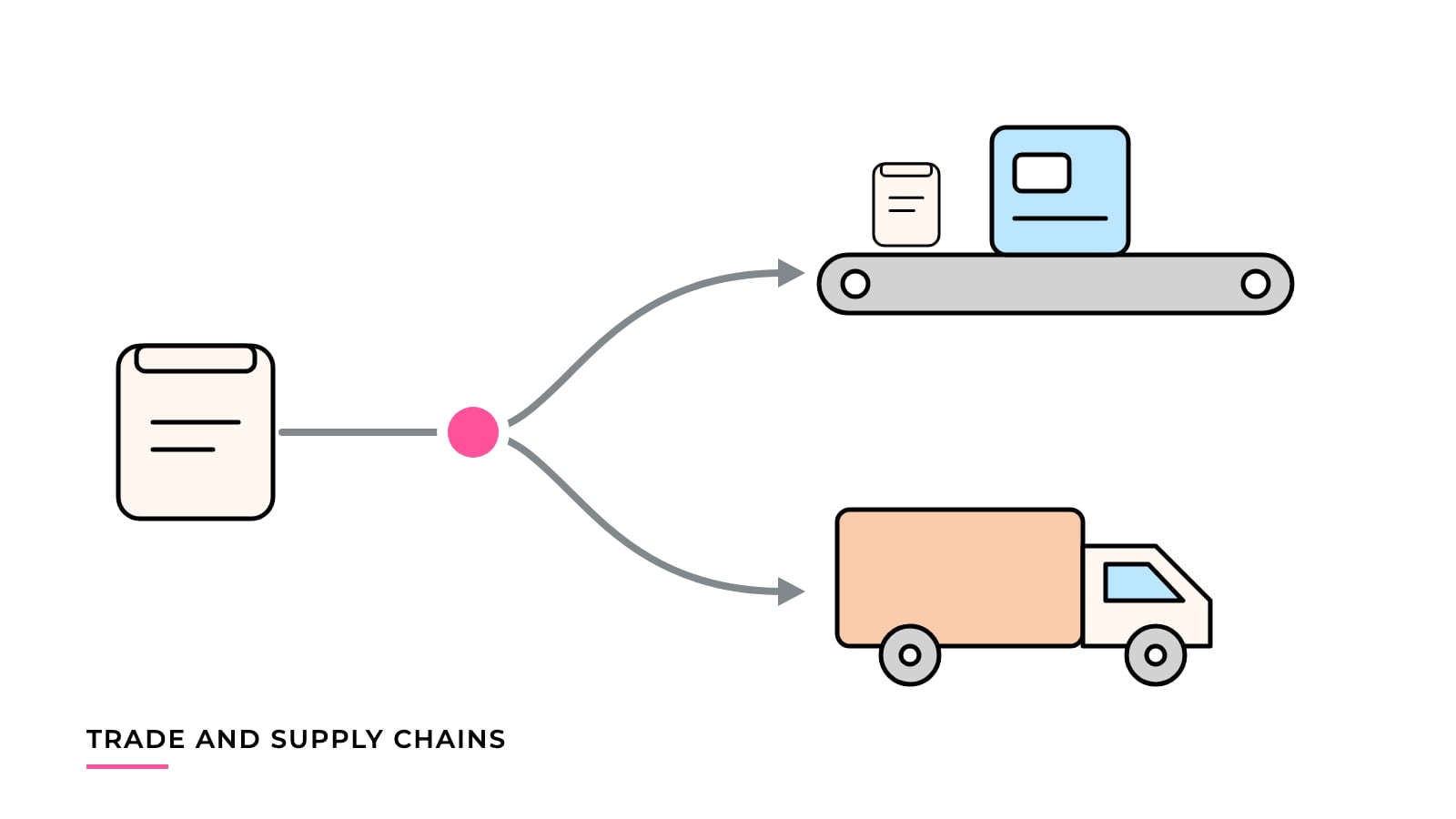
When a contract packer costs less than your own line, when it does not, and the non-price factors that decide the close cases, with a worked break-even.
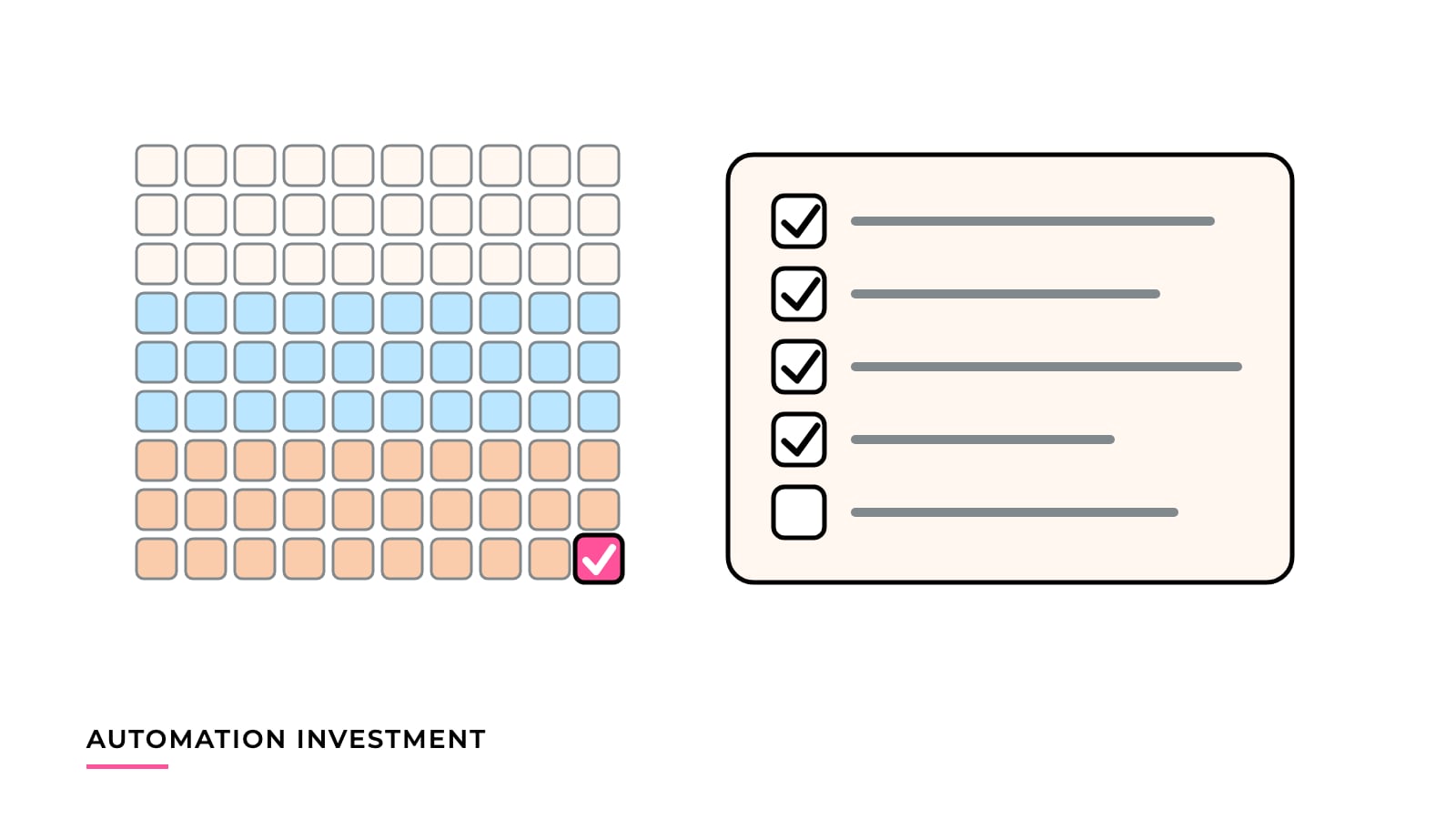
A review template that compares an automation business case with 90 days of actual results, recalculates payback, and records lessons for the next investment.
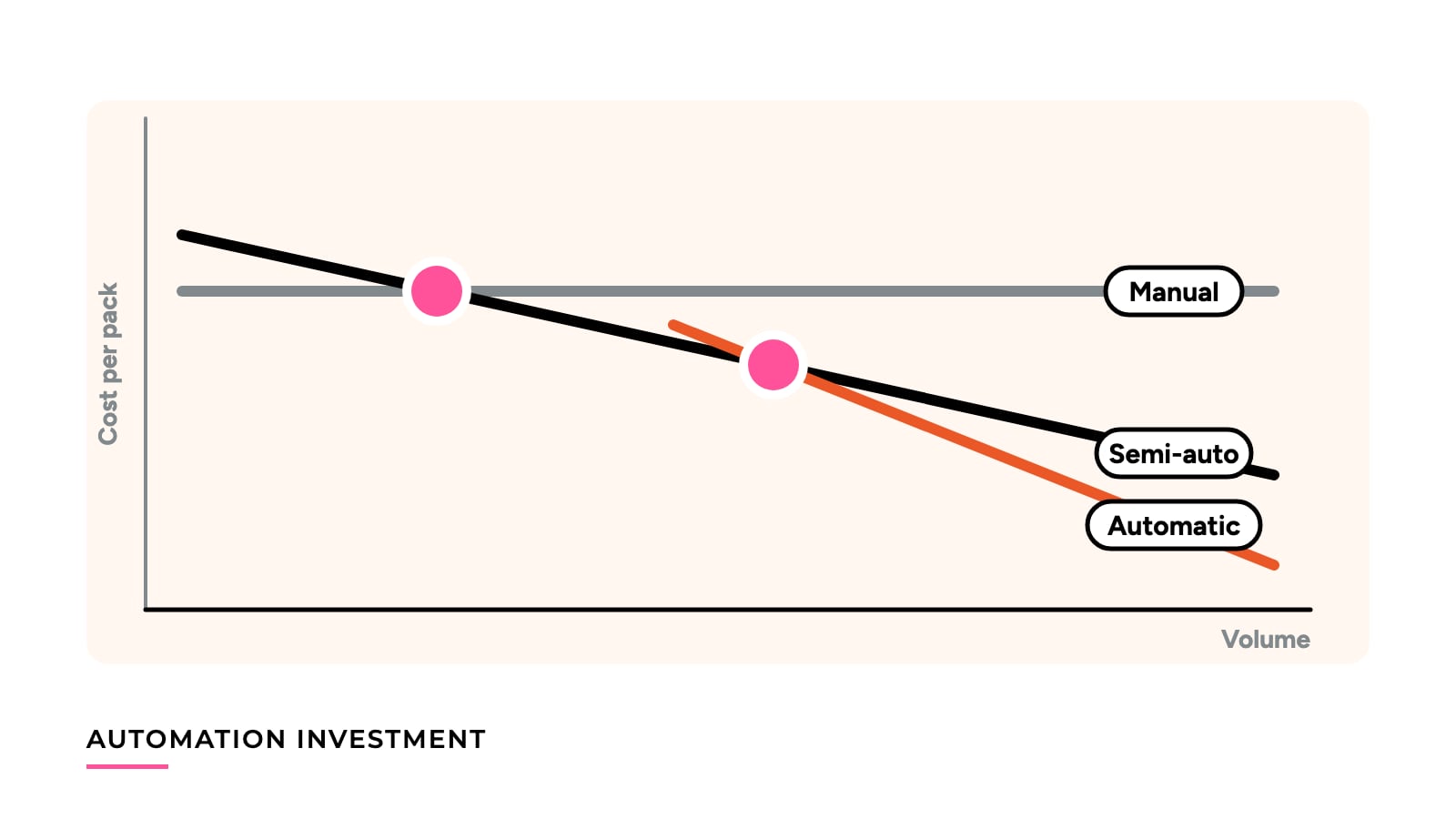
A volume-based cost model that puts manual, semi-automatic and fully automatic packaging on one basis, with the crossover volumes worked out and checked.
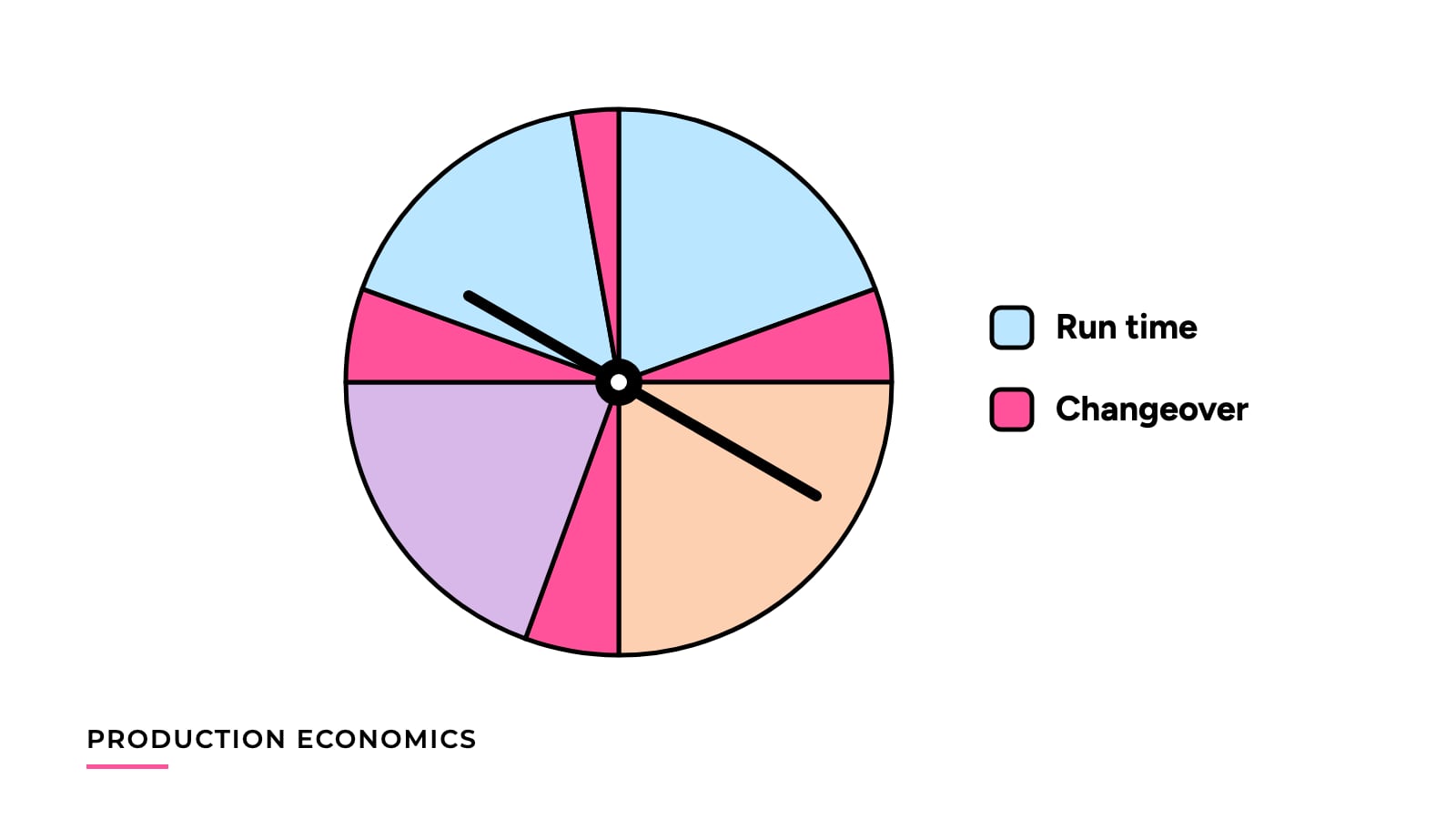
A model linking batch size, changeover time and run time to good packs and cost per good pack, with a worked shift example and a simple changeover log.
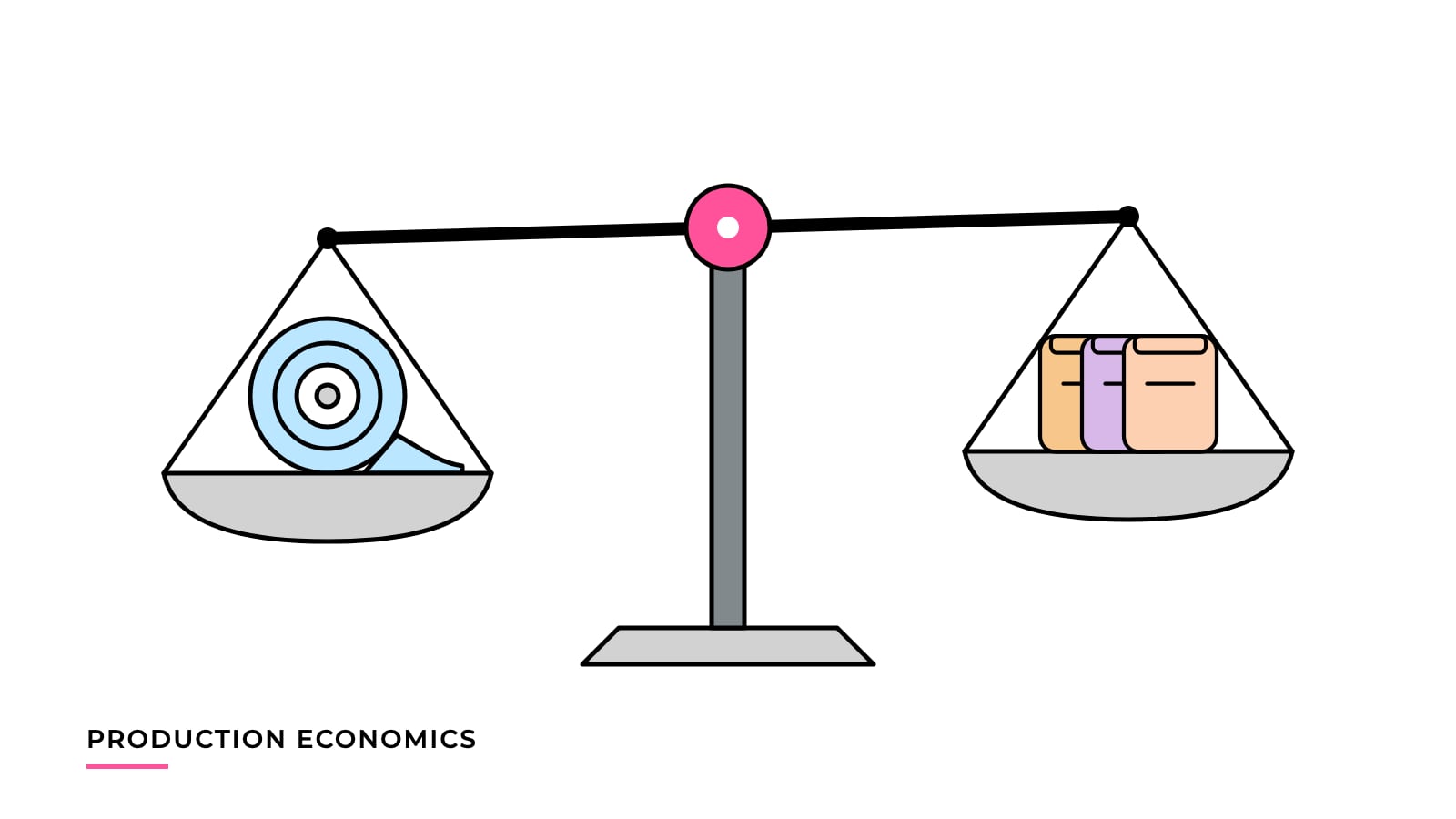
How to put rollstock and premade pouches on one cost basis: material, waste, labor, equipment and order structure, with two worked scenarios and a break-even formula.
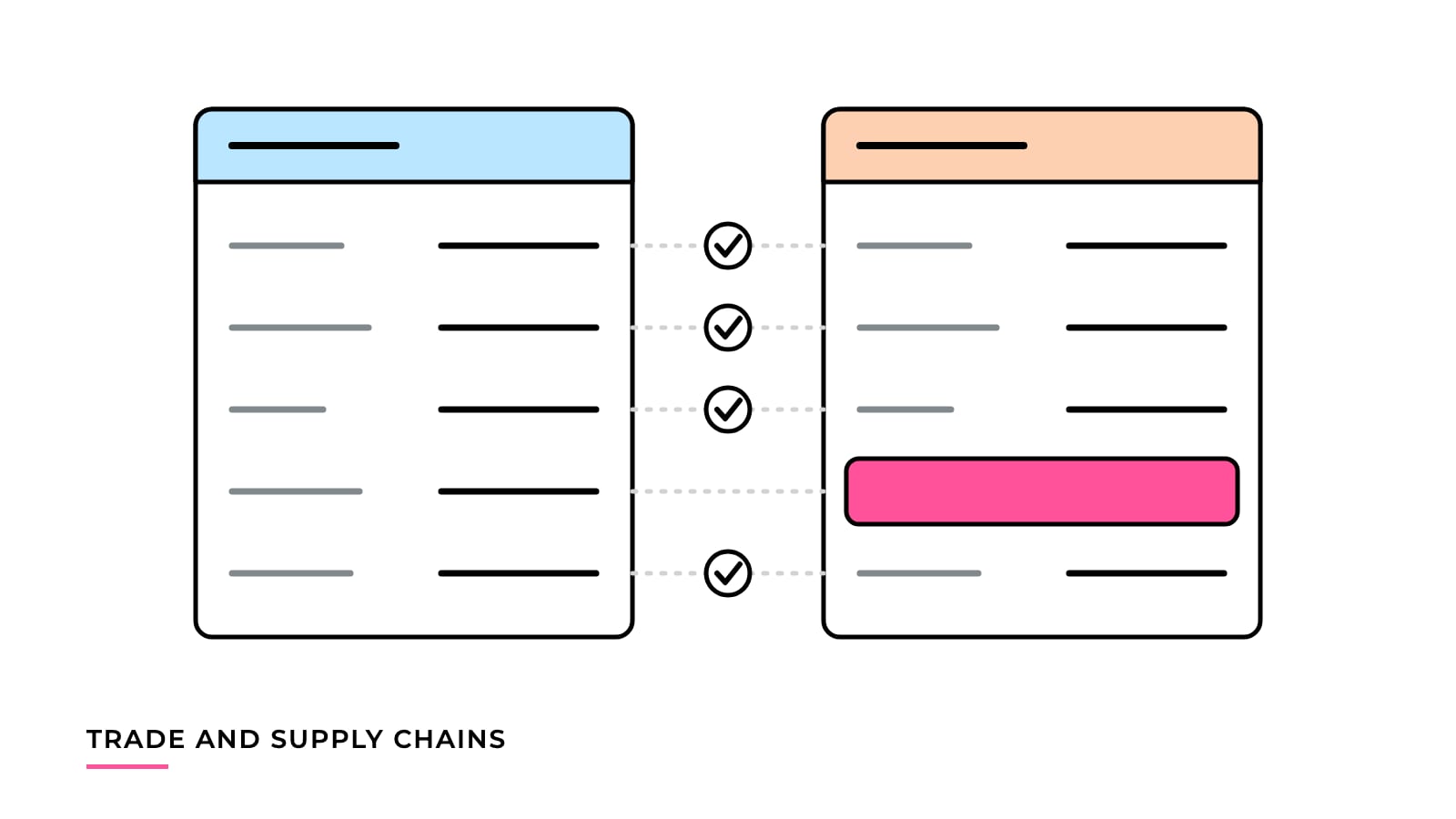
A method and comparison table that put packaging machinery quotes on the same scope, so the lowest headline price is not mistaken for the lowest cost.
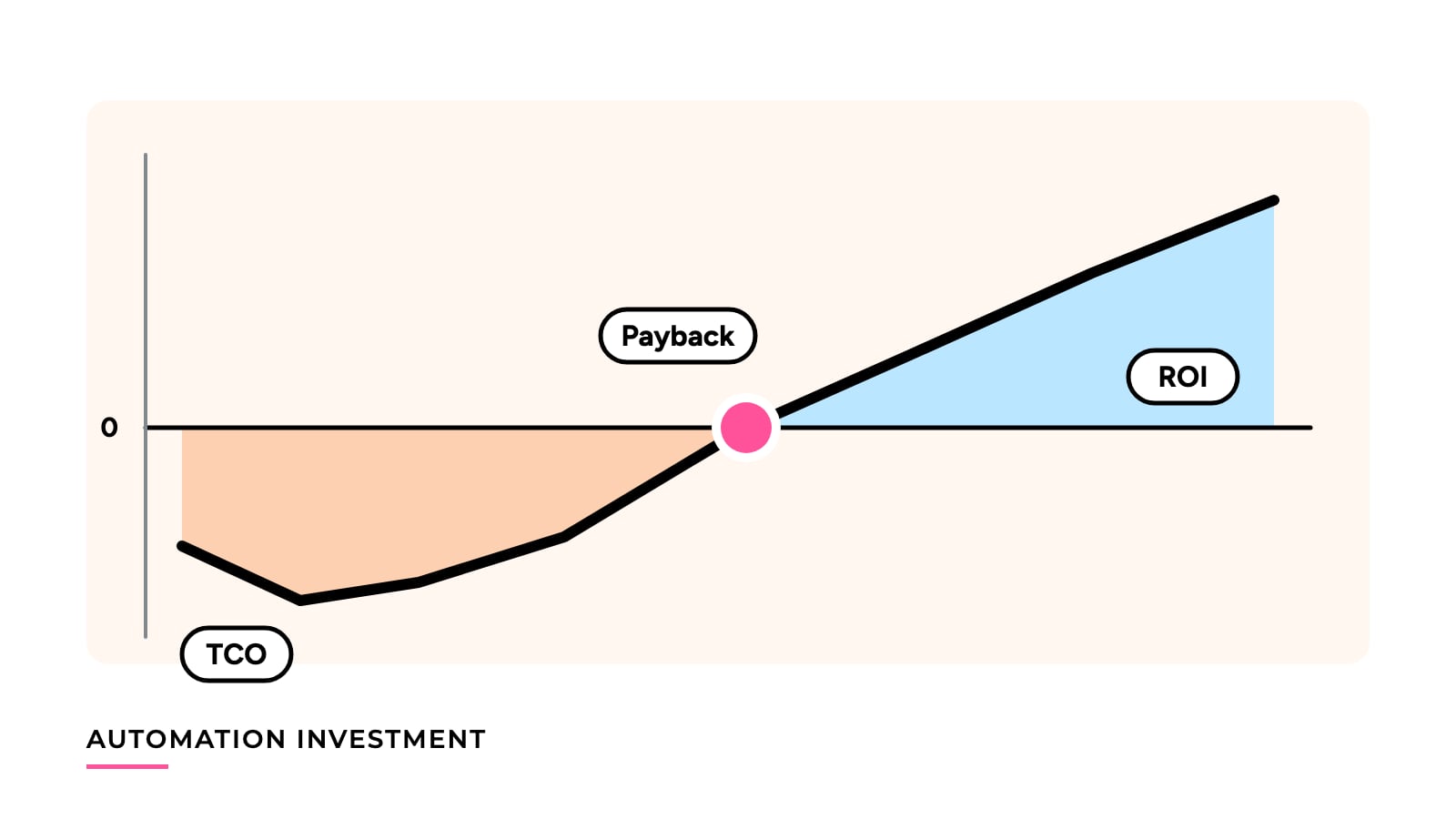
Payback, ROI and TCO answer three different questions. One worked automation case run through all three, with what each metric leaves out.
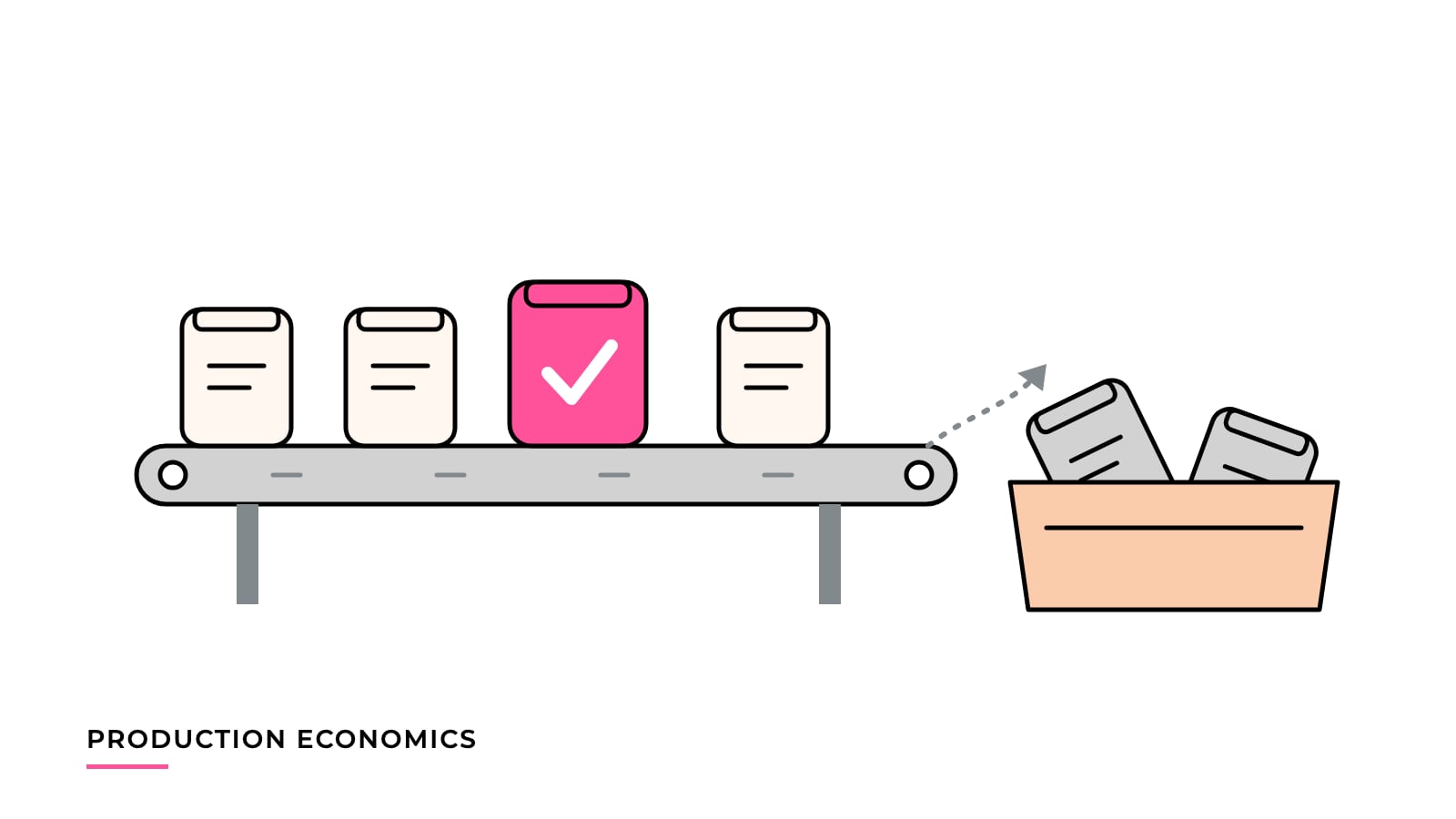
How to define cost per good pack, avoid counting scrap twice, and keep equipment investment as a separate, labeled line, with a one-month worked example.
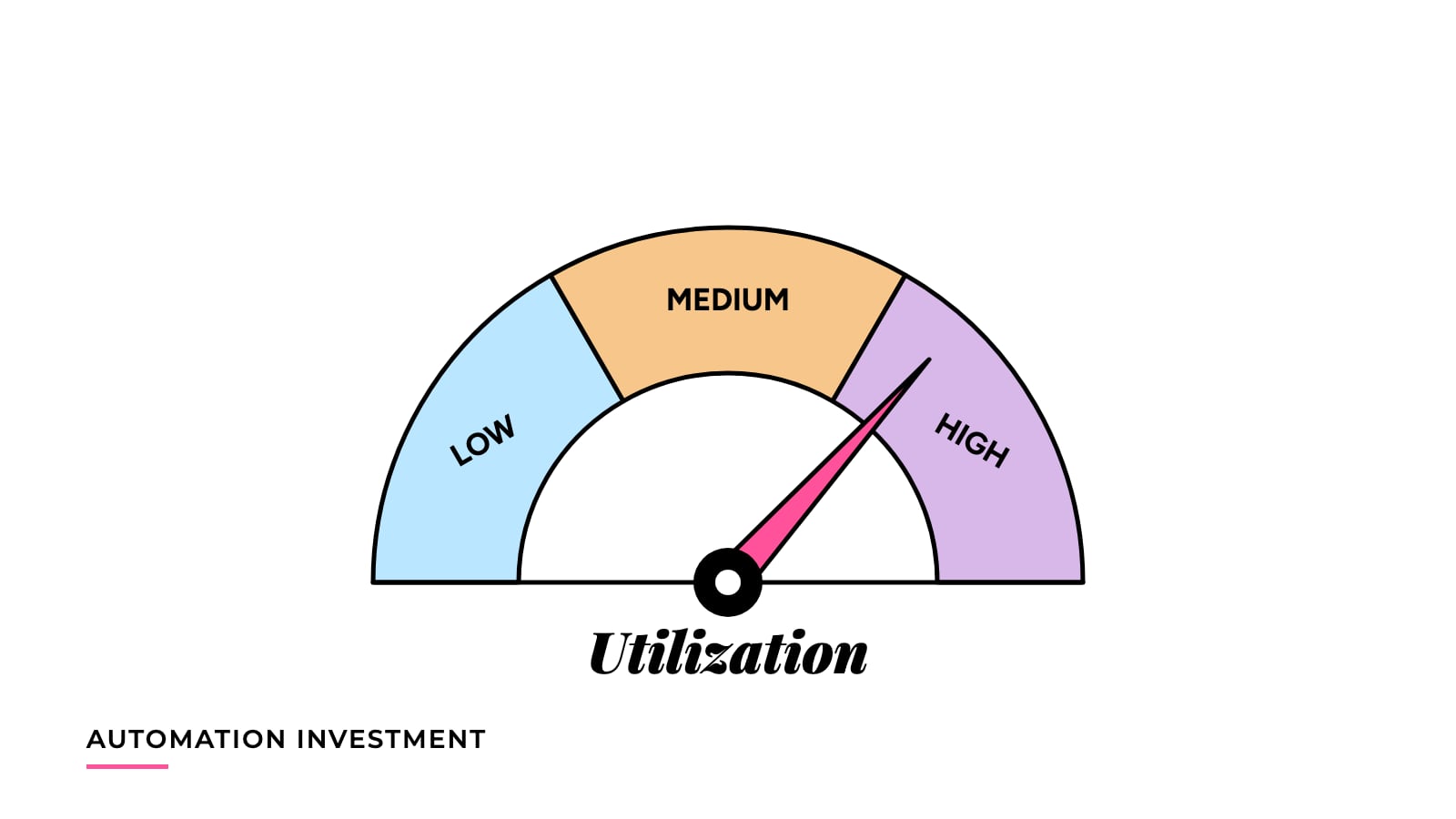
Low, medium and high utilization scenarios for one $60,000 automation case, with a sensitivity check and a break-even hours formula.
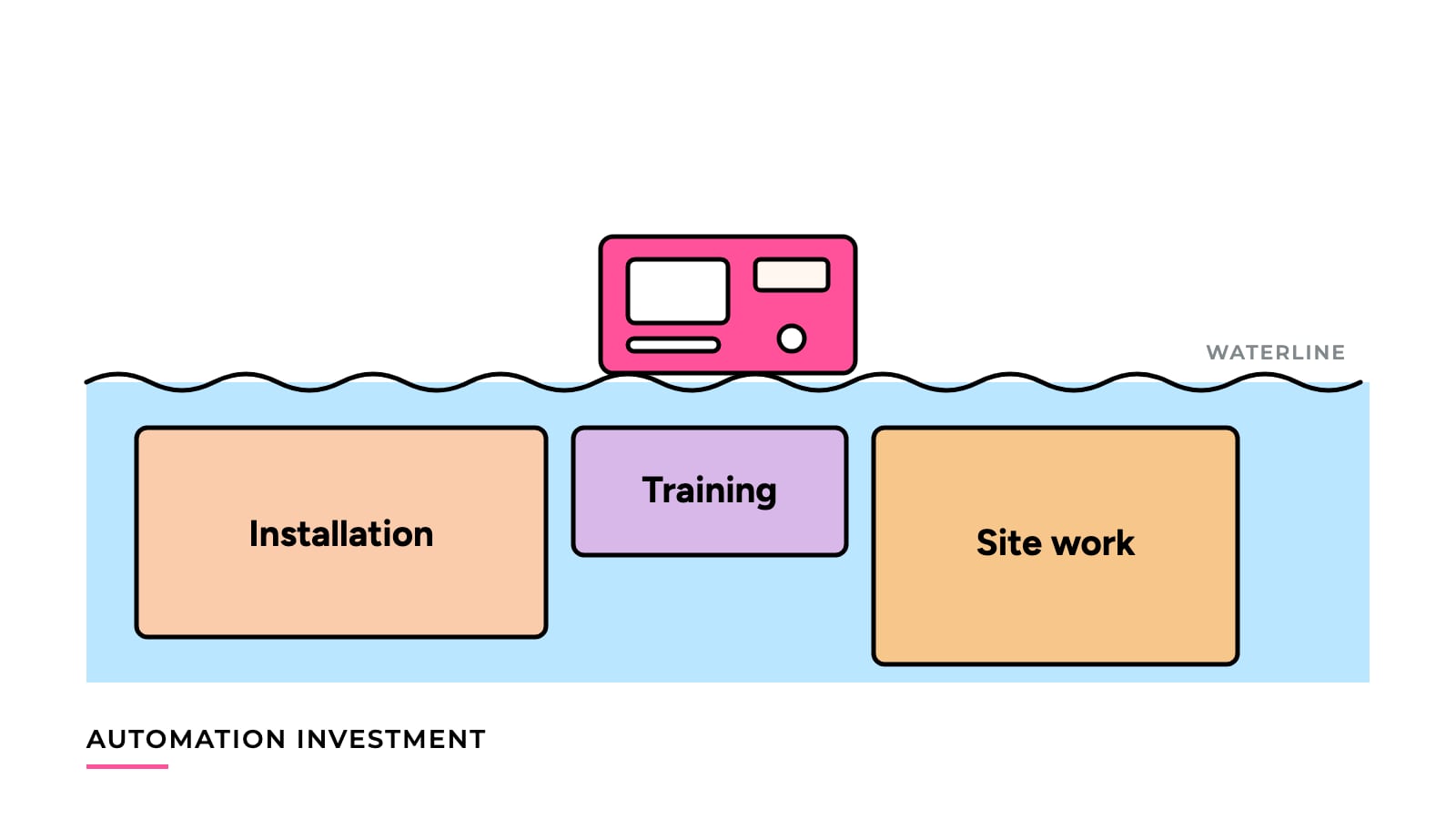
A checklist of the costs beyond a packaging machine's price, a worked installed-cost example, and how to get suppliers to state scope and exclusions.
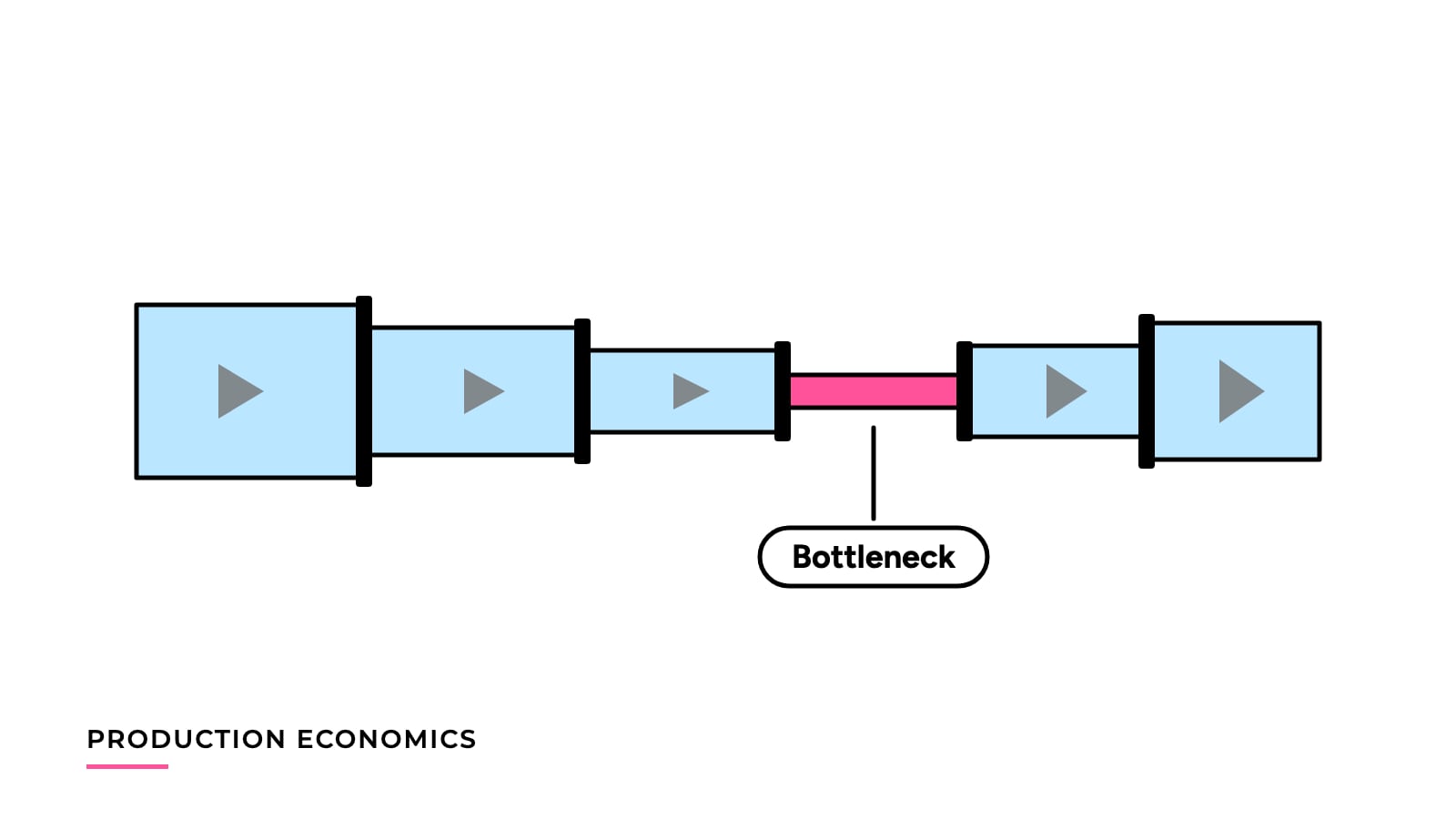
How bottlenecks, availability and good-unit output decide what a packaging line delivers, with a worked four-stage example and a pre-purchase measurement list.